

Turn Radio on/off


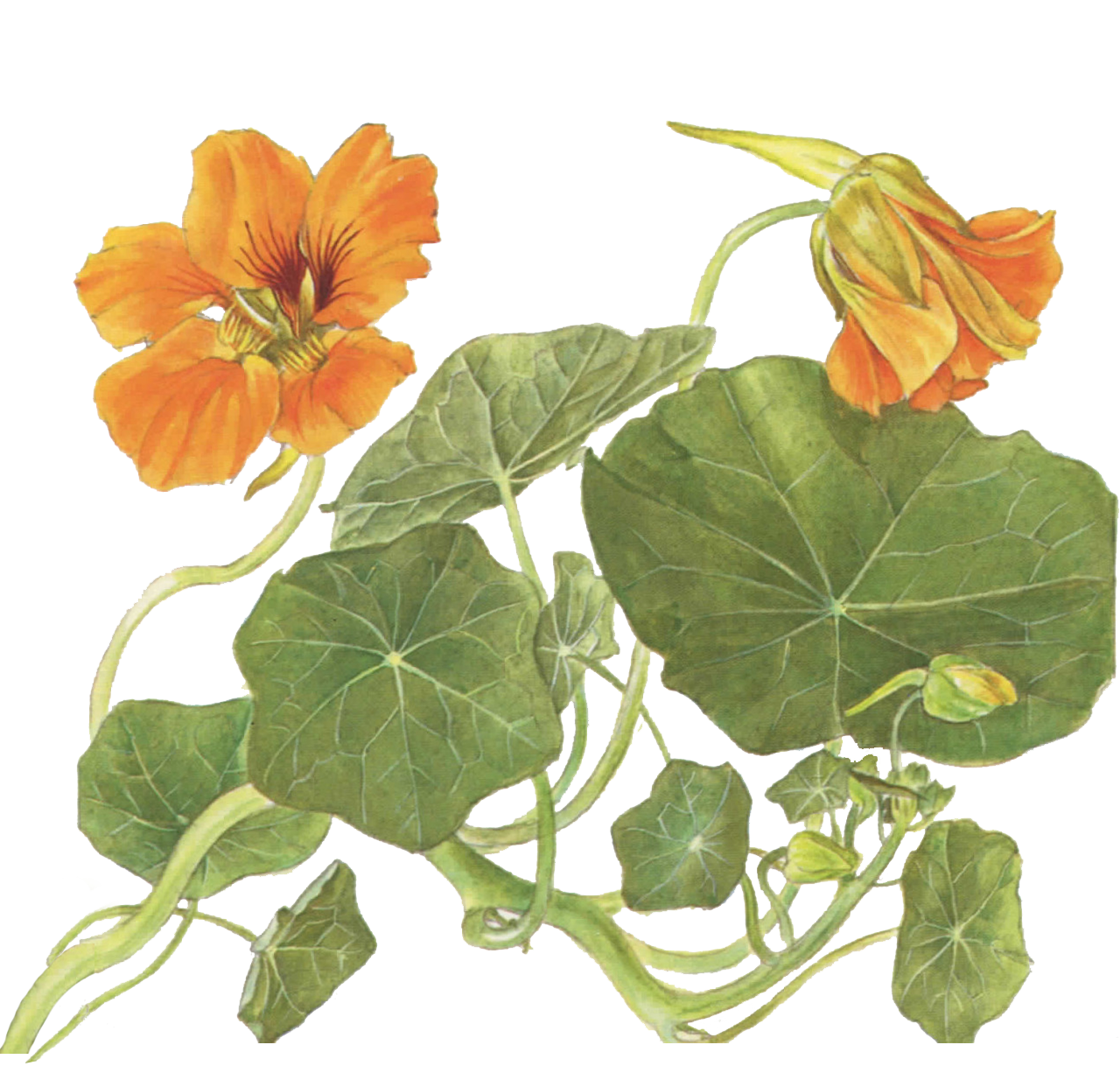

The Indian cress
Not really a veggie or fruit but I do grow this beautiful plant for it's edibility. The flowers are spicy like peppers and make dishes look beautiful. It's also just a lovely garden plant. You can make it grow upward or let is grow in a pot and it will grow like a hanging plant. Indian cress is very beginner friendly. It can grow in draught and wet soil, small and big plots, with and without a lot of sun. Only seedlings need a little extra care. When it grows seeds, I will collect them for next year and start with a small container. When I just left the seeds on the soil, I found them not willing to germinate.
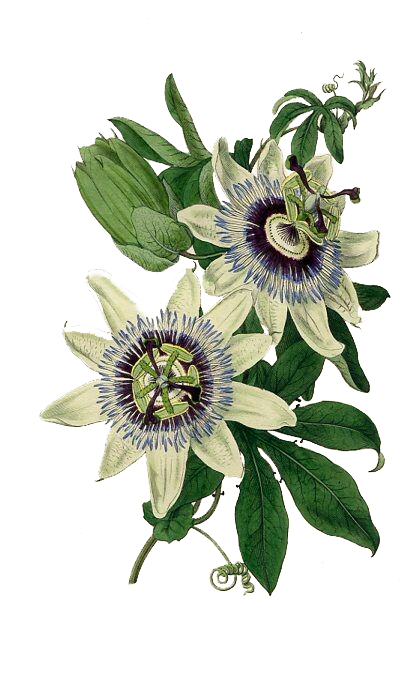
Passiflora
I love passiflora's. The flowers look incredible, almost alienating from other plants. And they also contain edible fruits and strong medicinal uses. I've personally placed 2 plants on both sides of my arched trellis, creating a beautiful entrance. The Passiflora edulis is mostly known for the passion fruit. But I have also tasted different species which taste different but still nice. Passiflora incarnata is the medicinal kind of it's species. Scientist are currently experimenting a lot with this species since it has very similar calming effects like cannabis and medicine such as oxazepam. It does have similar side effects too though. Most passiflora species are native too America and host plant for a huge amount of butterflies resonating there.
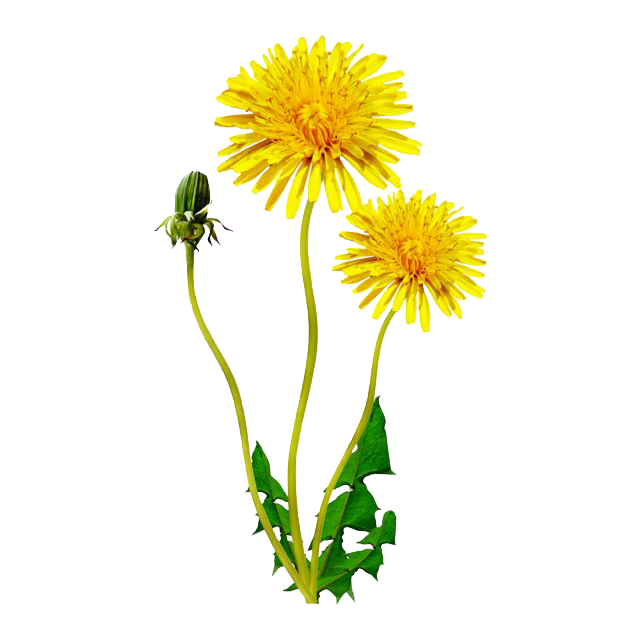
The dandelion
One of my favorite plants. Native throughout most of the world and one of the first providers of nectar in the early spring. Sometimes fields can be found full of them adding this beautiful yellow color blanket on the earth. Nowadays people mostly see the plant as a weed. But did you know this only happened during the 20th century? Before that, dandelions were actually greatly appreciated and even grown. The leaves were used in salads, the roots roasted, the bulbs made into capers, and the flowers fried, baked, dipped into a tea or even turned into honey. Only after the 20th century it has become known as a weed. Plants like dandelion and clover were marketed as 'bad' by the pesticide industries cause their pesticides killed these species. It was one of the most succesfull campaigns in the century known as a 'Smear campaign' or the 'The Greatest Gardening Scam'. Check out my picknick page for a recipe with dandelions!
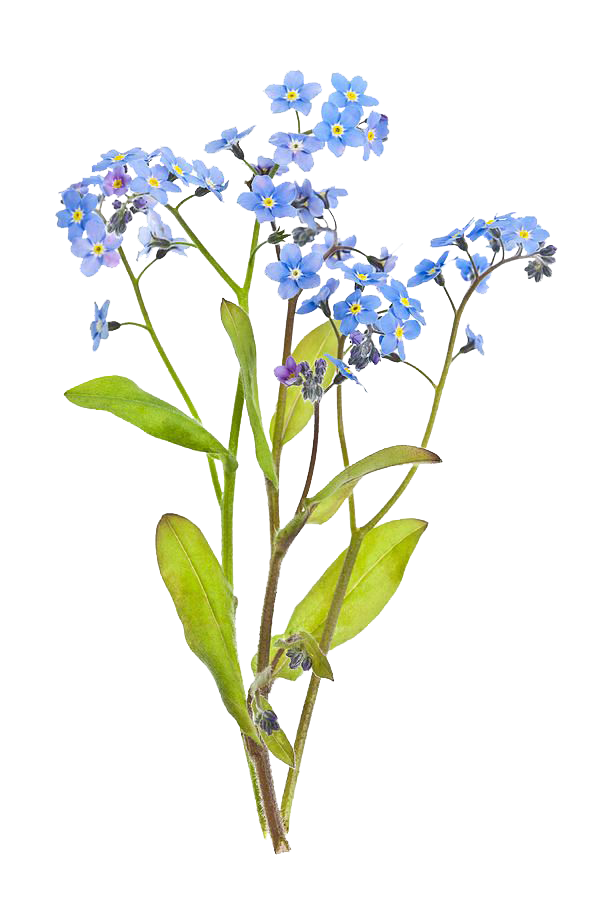
Forget-me-nots
I love the story of forget-me-nots. It goes as follows: A knight and his lover were walking along a creek. It saw beautiful little blue flowers just by the edge of the water and decided to pick some. But then the knight lost it's footing and fell in the swampy creek. Just before he was lost below, he threw the bouquet at his lover and said "forget me not!". There's also a version of this story where the flower said "forget me not" to god, when he seemed to be done with making everything on earth. Besides the stories forget-me-nots have figured out a very different way of spreading it's seeds. It makes a sweet substance around the seeds which is favoured by ants. They take them from the flowers and spread them around and in their burrows, where it may grow a new plant.
Silverweed
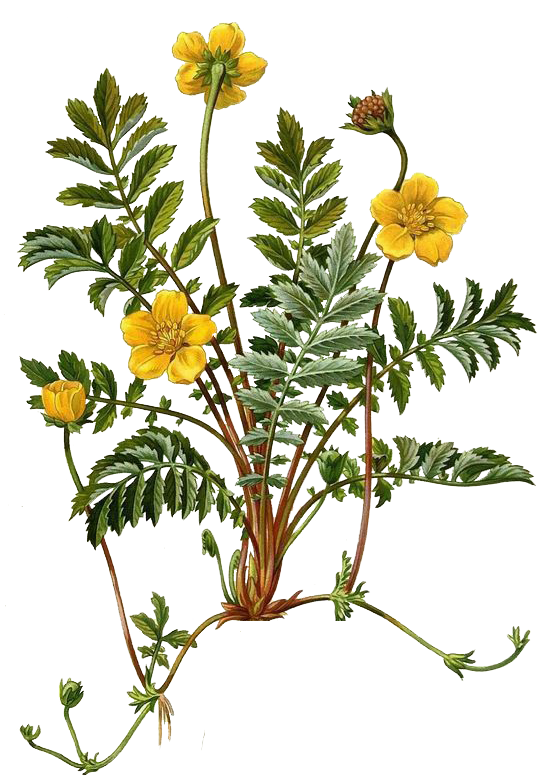
Beautiful silver looking leafs with yellow flowers that remind me a bit of strawberries. Big chance it's also native in your place cause it's native in the whole of the Northern hemisphere. It grows low on the ground so I really like it as a soil cover. And though I haven't tried it yet, it can be used in tea against any menstrual cramps. The roots supposedly taste like parsnip. Both native-Americans and Tibetans ate it. There is a simple recipe of the plant on Wikipedia saying they cooked it in butter and sugar.
Greater plantain
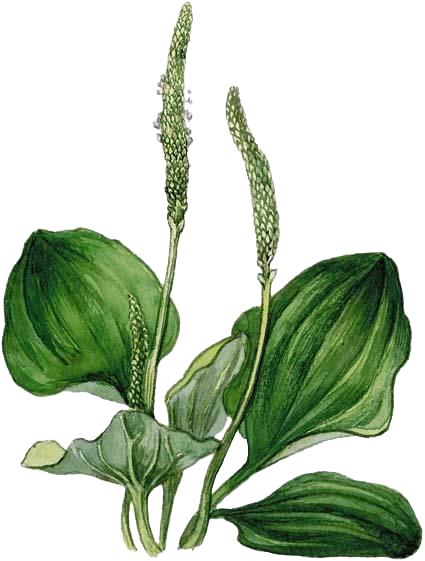
I was very confused when I read about plantain in the book 'We will not be saved', about indigenous people in South America. This, apparently was also called plantain but had nothing to do with one-another. One, being a tropical banana like fruit, and the other, being a small leafy plant. Within the leafy version there are about 200 different sub-species but they all seem to be used for the same uses. Both as a food source that go way back into prehistoric times, as well as medicine. I have only used Greater plantain and it's brother Ribwort plantain for it's medicinal uses. Being, a soothing substance for the sting of stinging nettles as well as bug bites and burns. Just crush the leaves and smear it right on top. Plaintain can often be found right next too stinging nettles as well as in between pavements.
Nettle
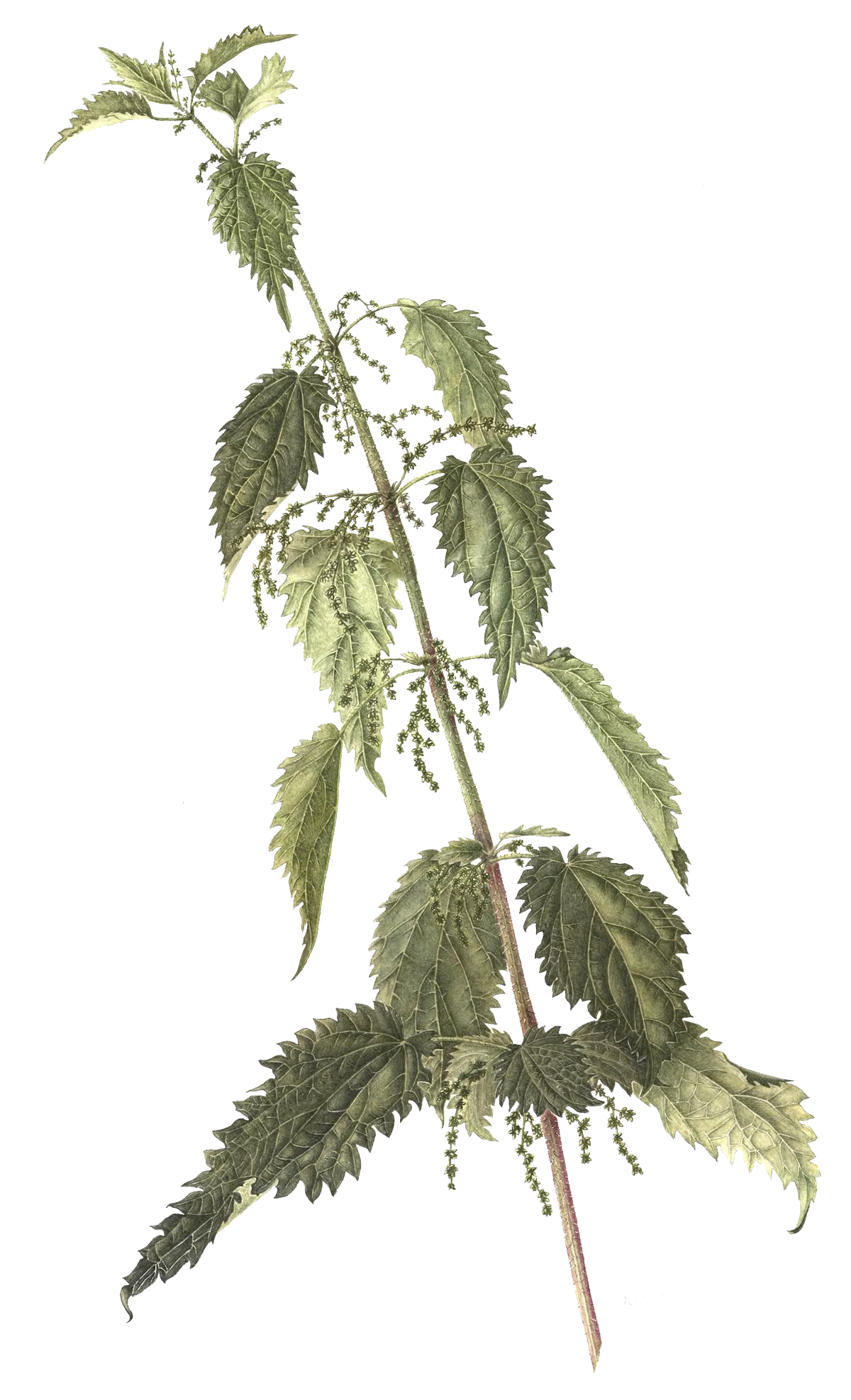
Yes, nettle can be very annoying. Aspecially when gardening or foraging and you suddenly you find yourself stung by nettle! But I also gather their seeds and place it right into my garden. Why? Cause it has many benefits we have forgotten these days. Medicine man from African tribes still use nettle until this day. Hitting a sick person on the back with the nettle. Fortunately it only hurts for about 10 minutes. In western cultures it's mostly still used as a food source. Nettle contains high amounts of vitamine C and omega-3. As well as some vitamine-K, Vitamine-E and Vitamine-B2. Nettle tea is one of the most common we still use it for but it's also made into soup, spinach and chips. I have a recipe for nettle chips on my Pinic page. Don't like to eat it? Than still keep some in your yard if you can! It's the main food source of a lot of caterpillars such as the peacock butterfly, small tortoiseshell and the garden tiger moth.
Greater celandine
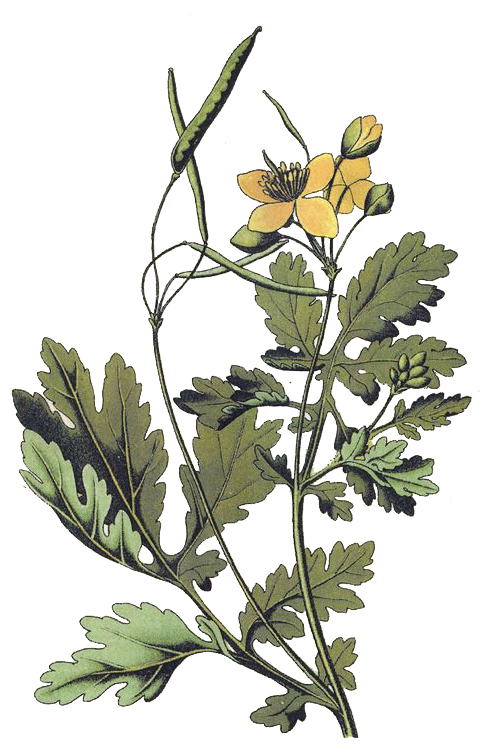
Greater celandine can be found throughout Europe, western Asia and as an introduced species in Northern America. It's also known as swallowwort and in Dutch 'wrattenkruid' which basicly means 'wart herb'. The name swallowwort origins might come from the idea that swallows were leaving and returning when the plant did so. A folktale tells of the swallows using the sap on their baby's eyes too cure them from their blindness. The Dutch name comes from it's yellow sap being able to cure warts. Smear it on a wart daily and it would dissappear. Don't get it in your clothing though! It won't come off!
Tansy
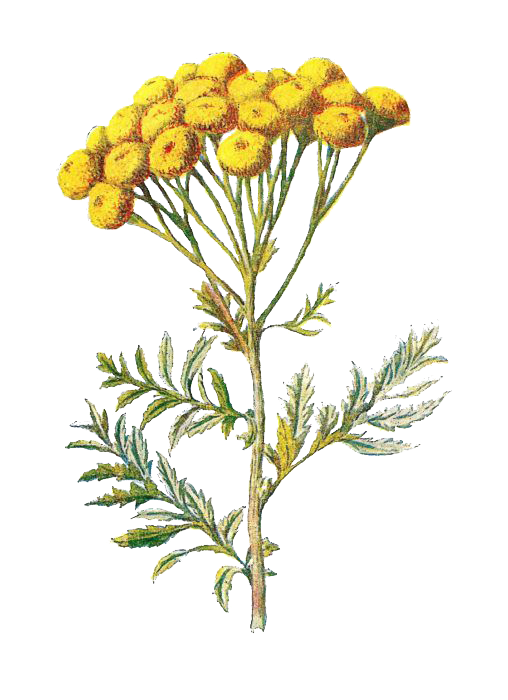
Tansy is a native plant in Europe and Asia and introduced in America and Australia. In some area's it is an invasive species, so make sure to check your area before planting these. If it is invasive feel free to gather as many for your own use. Tansy has an incredible amount of uses! It can be created into a yellow dye, as a companion plant next too cucumbers, roses and squash and as an insect repellant against mosquito's, ants, cucumber beetles, Japanese beetles and squash bugs to name a few. Tansy has a long history as a food and medicinal food source, but there is a warning to be given here. A fair amount of people experience toxicity with this plant and if used in high amounts it can even be deadly!. So use with caution! That said it has been used in tea against worms in the body, to bring on menstruation or end an unwanted pregnancy. I personally wouldonly use this plant as a companion plant and dye. Stay safe people :).
lady's mantle
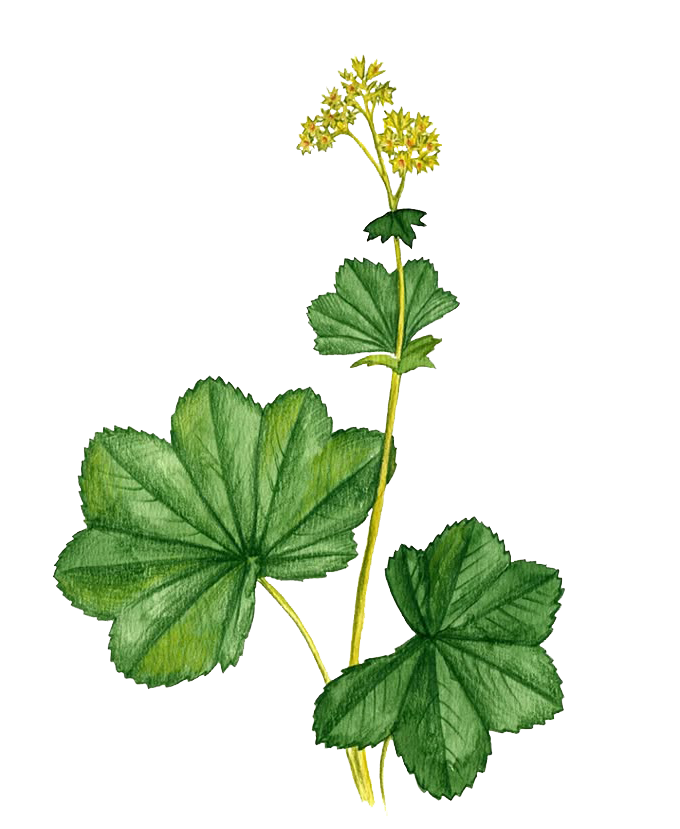
Lady's mantel has about 1000 different species, most looking very much alike and growing in Europe and Asia. Some also grow in America and Africa. Lady's mantel is often used as a garden plant for it beauty. The hairs on the leaves keep it from getting wet, creating beautiful droplets on it when it rains. The name 'lady's mantel' can be traced back too medieval times where they found the leaves similar too a womans coat. But has also been used throughout the ages as a medicine for woman. Such as vaginal infections and shaping the breasts. Though I cannot find any scientific claims for this, I have tried crushing the leaves together with silverweed and lay them against the vagina and have had no bad side-effects. The redness of the infection was gone a day later. Make sure to always do your own research and test only a small amount first!
Marigold
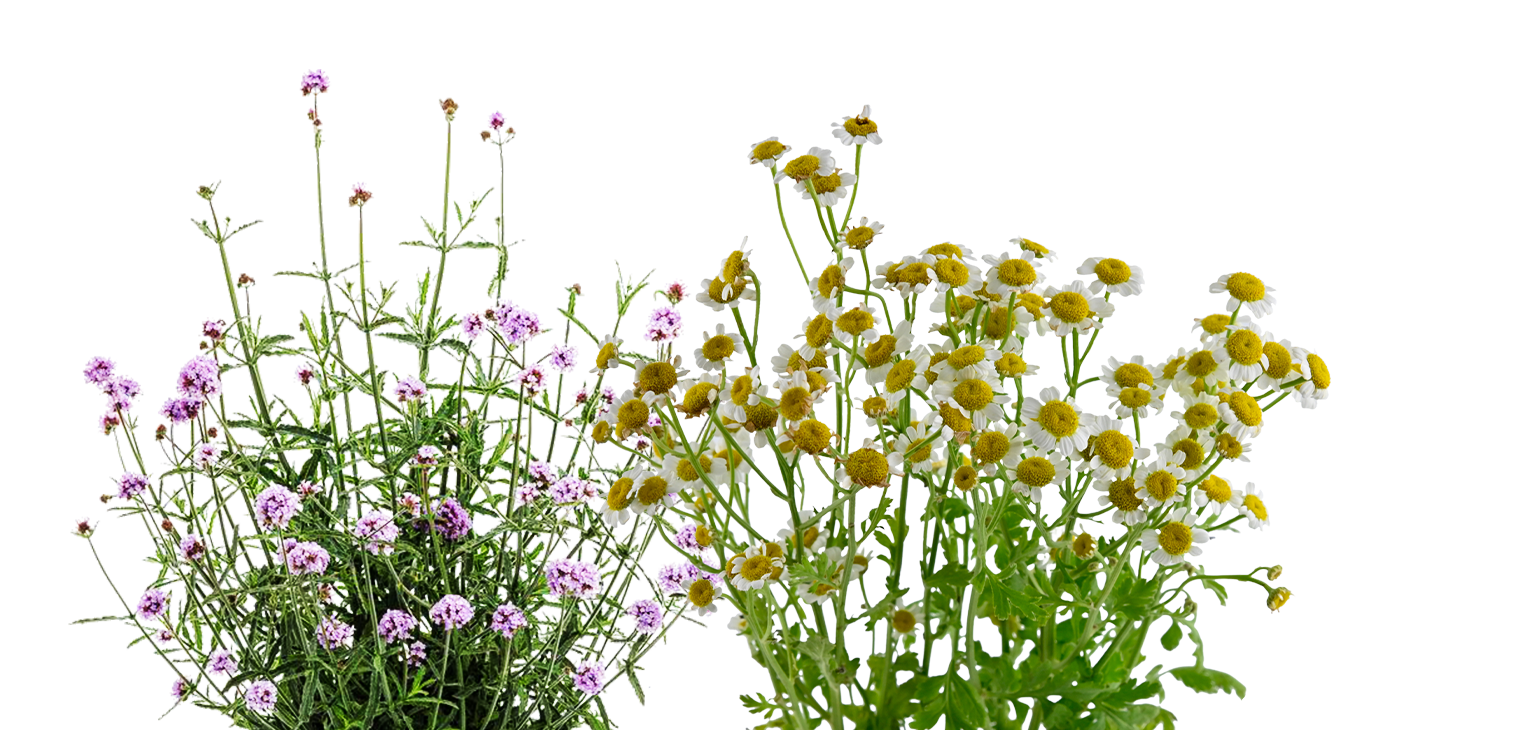
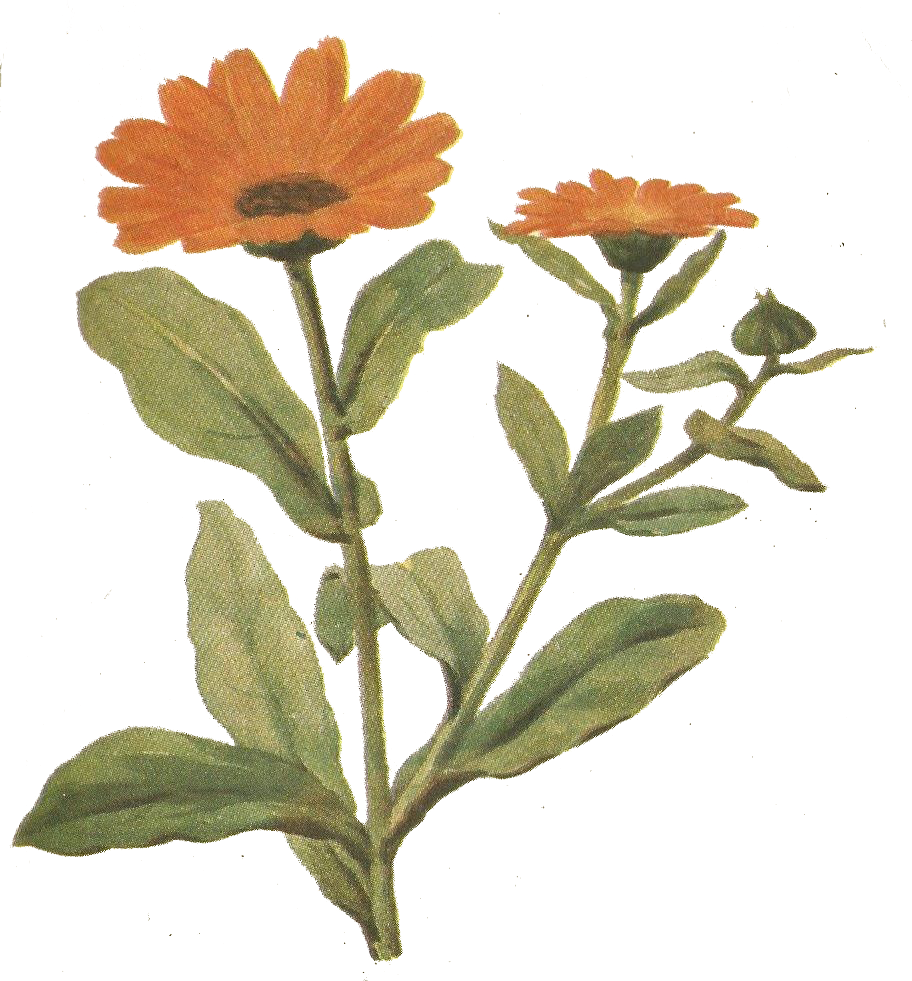
Marigolds come in a couple of variaties. All orange leaves and green stems but some with so many leaves, it looks a bit like a dandelion, others more widespread like the image, giving a daisy look like the one on the left. I keep marigolds mostly for it's medicinal properties as well as it's slug slug repellent abilities. The young shoots are loved by slugs but the grown adults give a, too slugs, nasty smell. Making them perfect for natural borders around your veggies and fruits. I also use marigolds in tea and as a salve. Marigolds are known for it's antibacterial and calming properties making it a soothing cream for wounds, eczema, the digestive system and menstrual cramps. I will give a recipe for this later on my website.