 Go home
The hidden life of trees by Peter Wohlleben
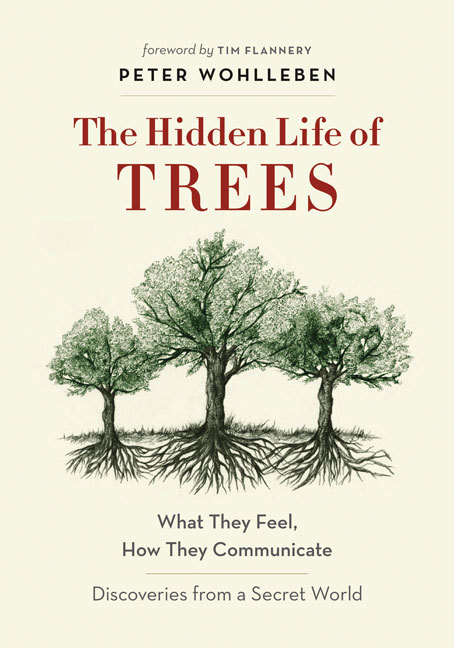
I'm not gonna be a tree hugger, but Peter Wohlleben made me realise trees are definitely conscious in a way. They speak to one another, can feel it when an animal bites, measures the exact timing for fruition and help eachother. Just nog in a human way. They use the fungal networks for example. We still have no clue how this exactly works, let alone, knowing what plants really feel.
I would recommended this book for nature lovers, teachers and people that love learning
difficulty: 3.5 out of 5
Entangled Life by Merlin Sheldrake
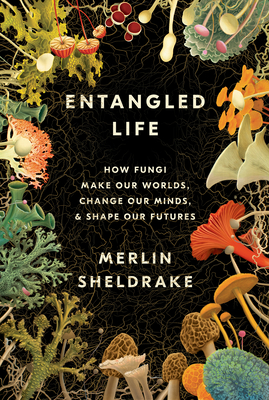
It's been a while since I read this book, but I still remember it being incredibly interesting.That a fungi is the largest organism in the world, how some can survive in the deepest depth of the ocean and even in space. We are nothing compared to fungi.
Recommended for nature lovers and people who love learning
difficulty: 3.5 out of 5
Natuur amnesie
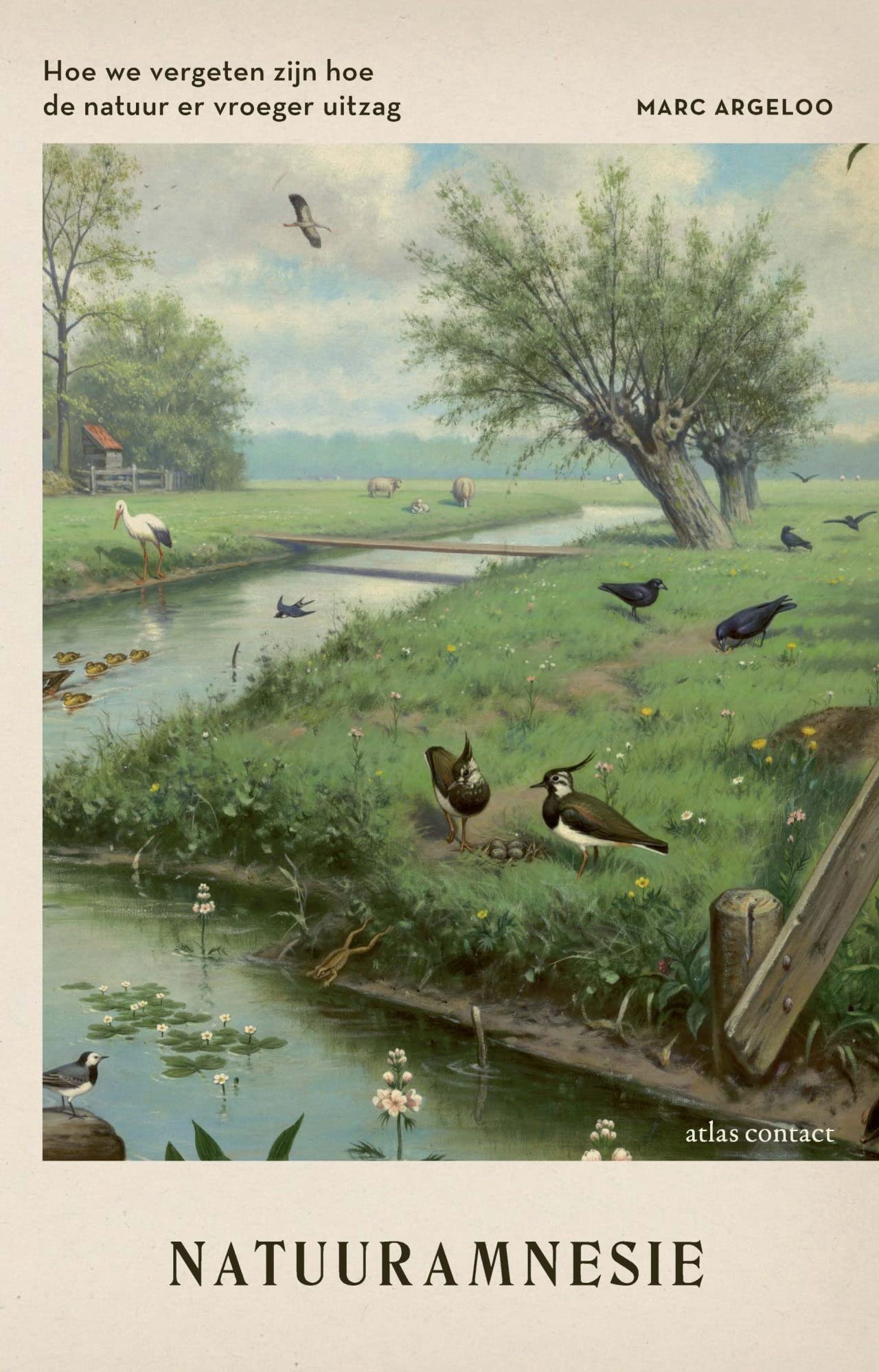
Unfortunately only in Dutch. Maybe there's a non-dutch version out there about it? Look up 'books on shifting baseline syndrome'.
This book is about the little knowledge we have about nature, how we gradually lose more knowledge about nature and therefore forget the importance of it. Pictures in this book show how we used to have whales in the north sea and fisherman catched fish as large as ourselves. The world we grow up in is the base for how we think the world is supposed to be. But this world has already changed greatly. One day our grandchildren won't even know things as polar bears existed. Slowly we digest this world as if it regenerates itself without giving anything in return.
Recommended for nature lovers and people who love learning
difficulty: 3.5 out of 5
Braiding Sweetgrass
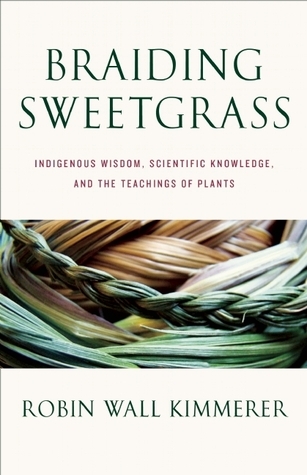
Braiding Sweetgrass is about an American woman and professor with indigenous roots that explores her ancestry. She finds and shares this wisdom through this book. It was such an eye-opener too the world we live in and should live in. Humans are in need of communities that share with one another. Not a world about money and greed. Her ancestors knew that like no other and that formed every single thing about them. One example that stays with me is their language. In english and most European languages we say 'it' to inanimate objects like a tree or river. But to her ancestors a river or tree is alive. Therefore you can not call it an 'it'. A quote from the book: 'what if we came across a maple tree and, instead of saying, “It is beautiful!” We said, “She is beautiful!” Says Kimmerer, by saying she, we might not be so ready to reach for the chainsaw.'
Recommended for nature and language lovers, as well as people who like to learn more about our ancestors
difficulty: 2.5 out of 5. The beginning was difficult to understand but later it all came together
Never home alone
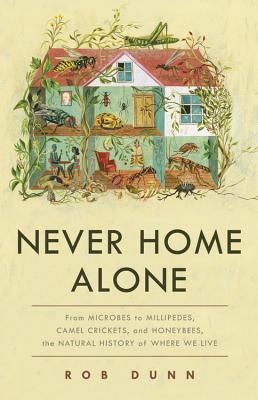
Never home alone is about all the small critters crawling around your house. And while this might sound creepy, it really shows how important these small creatures are for our own life. It makes you understand why it's bad too constantly clean your house too perfection and use anti-bacterial soap.
Recommended for bug lovers, and people who want to get rid of their fear of bugs and/or germs
difficulty: 2.5 out of 5.
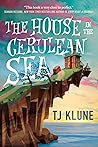
The house in the cerulean sea by T.J. Klune
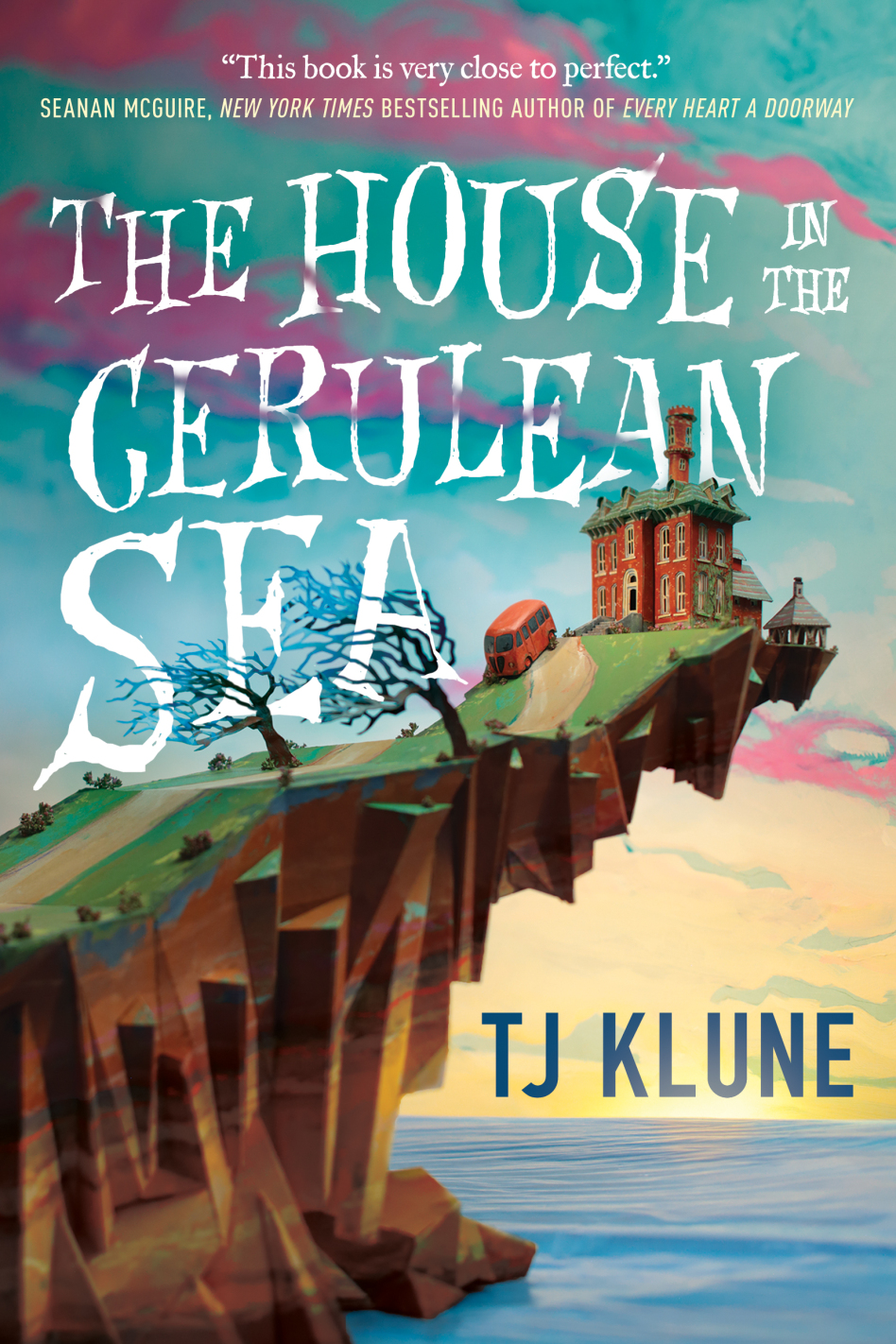
I think I read this one cause it was nominated for the 'Goodreads choice awards' in 2020 and maybe cause the introduction made it sound different from the standard fantasies. If I read fantasy, I want them too be feel new, different, maybe even a bit crazy. This book really had this vibe. Not only from the introduction but throughout the whole thing. The children made me laugh so many times and the characters are all incredibly special. It's also a gay story, which I normally don't choose from since I myself am not, but I really didn't mind here. Probably cause it really was just a small part of it and not a romance.
Recommended for fantasy/sci-fi people who don't mind reading about the typical child/teen drama and want a laugh or something different
difficulty: 1 out of 5
The ten thousand doors of Januari by Mark Lawrence
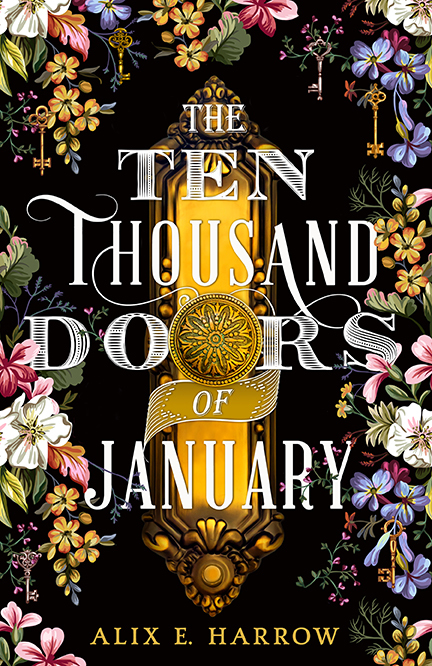
Kinda funny how I don't remember much about this book but somehow ends up in my list of favorite books. I remember binge reading this one during my burn out. I couldn't do much, but I could read stories. I remember this girl Januari going through all these doors which led through different worlds. I remember my love for the name Adelaide. And I remember how philosophical it actually, hidden behind those doors, really was. The ending made me awee.
Recommended for people who love fantasy and mystery
difficulty: 1 out of 5
The invisible life of Addie Larue
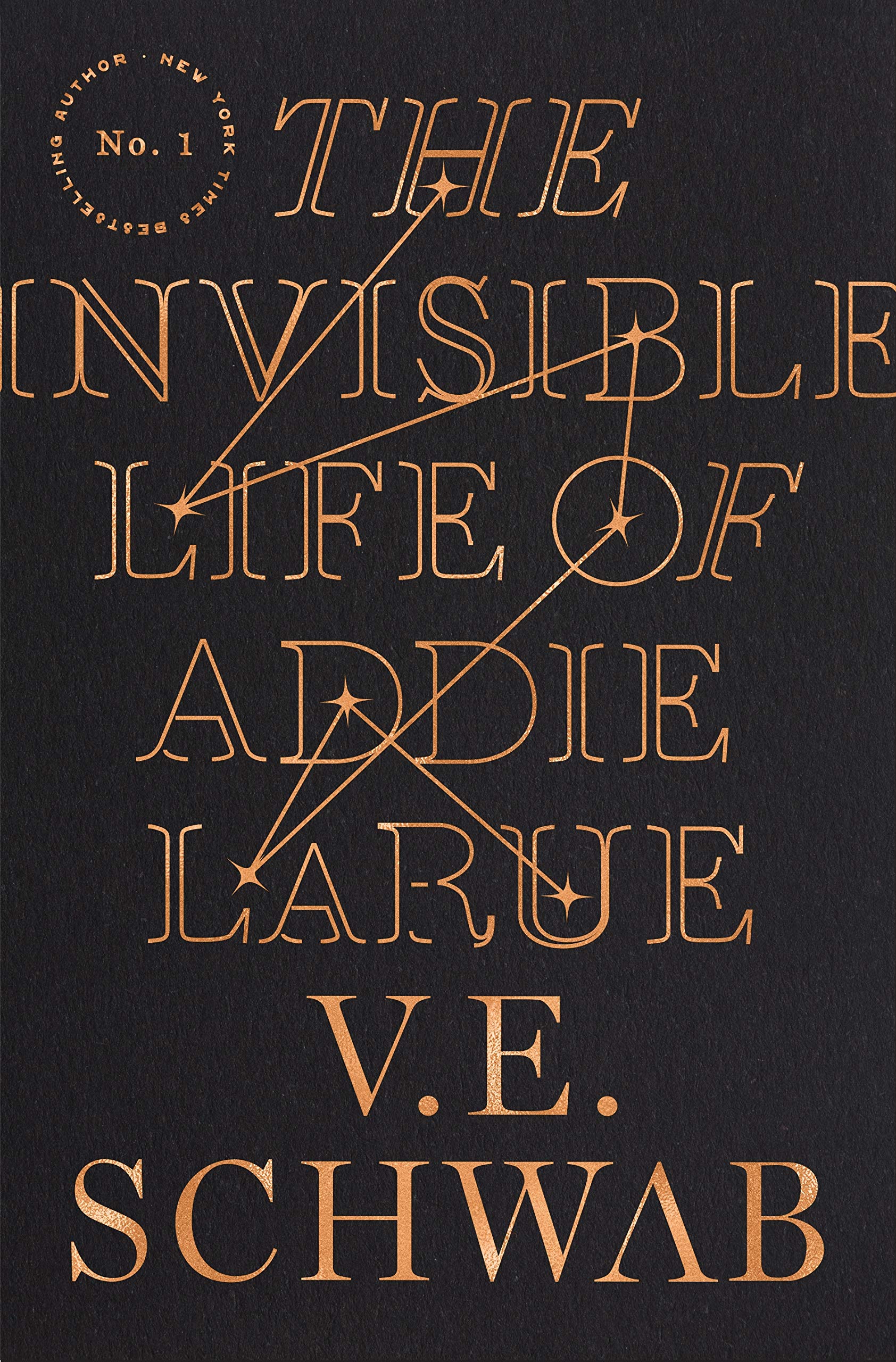
The simple village life was nothing for Addie. She hated it. But soon she would be married and that would be the end of it. She decided running was the only option and begged a mysterious figure in the woods for a different life. The figure gave her, her wish, but not without consequences. The rest of her life every single person she met, would forget about her the instance she walked out of view. Like she was never there to begin with. This story was incredibly intriguing. How would she survive? Where would she sleep? Who was the figure that helped her? How can this even end? The questions only kept coming.
Recommended for people who love a good mystery
difficulty: 2 out of 5. Might be a bit long and/or sad for some
The fault in our stars
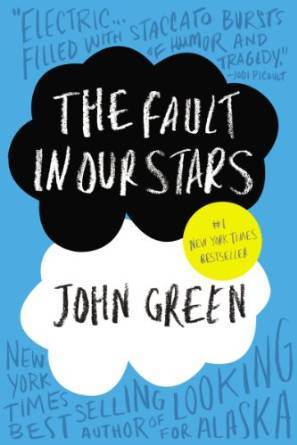
I told one person about this book and that it was a must read, he said to me'Oh but it's a love story, I'm not a fan of romance', I told him it's definitely not a Romance. It's about death and the philosophical questions that come with it. This story bombarded me with constant philosophical questioning, quotes, poems and art. One example about a character and his cigarettes: “I’ve never lit one. It’s a metaphor, see: You put the killing thing right between your teeth, but you don’t give it the power to do its killing.” Every single page is fire like that.
Recommended for people who love philosophy
difficulty: 2 out of 5. Not for people who have nothing with philosophy (obviously)
Where the crawdads sing
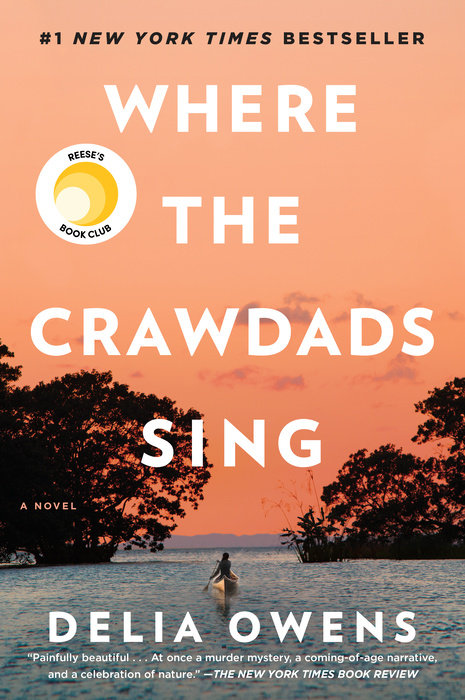
I felt incredibly close to the girl in the book. She grows up abandoned by her family, known as 'the marsh girl' by the village in a little house away in the marsh. She only goes to the village to get something to eat. But slowly also learns what nature can offer itself. She becomes a lone wolf hiding in nature learning every plant and creature within her marsh. Because of my love for nature and foraging I could easily resonate with this story and the girl itself.
Recommended for nature lovers
difficulty: 2 out of 5. Might be a bit too sad for some
The institute - Stephan King
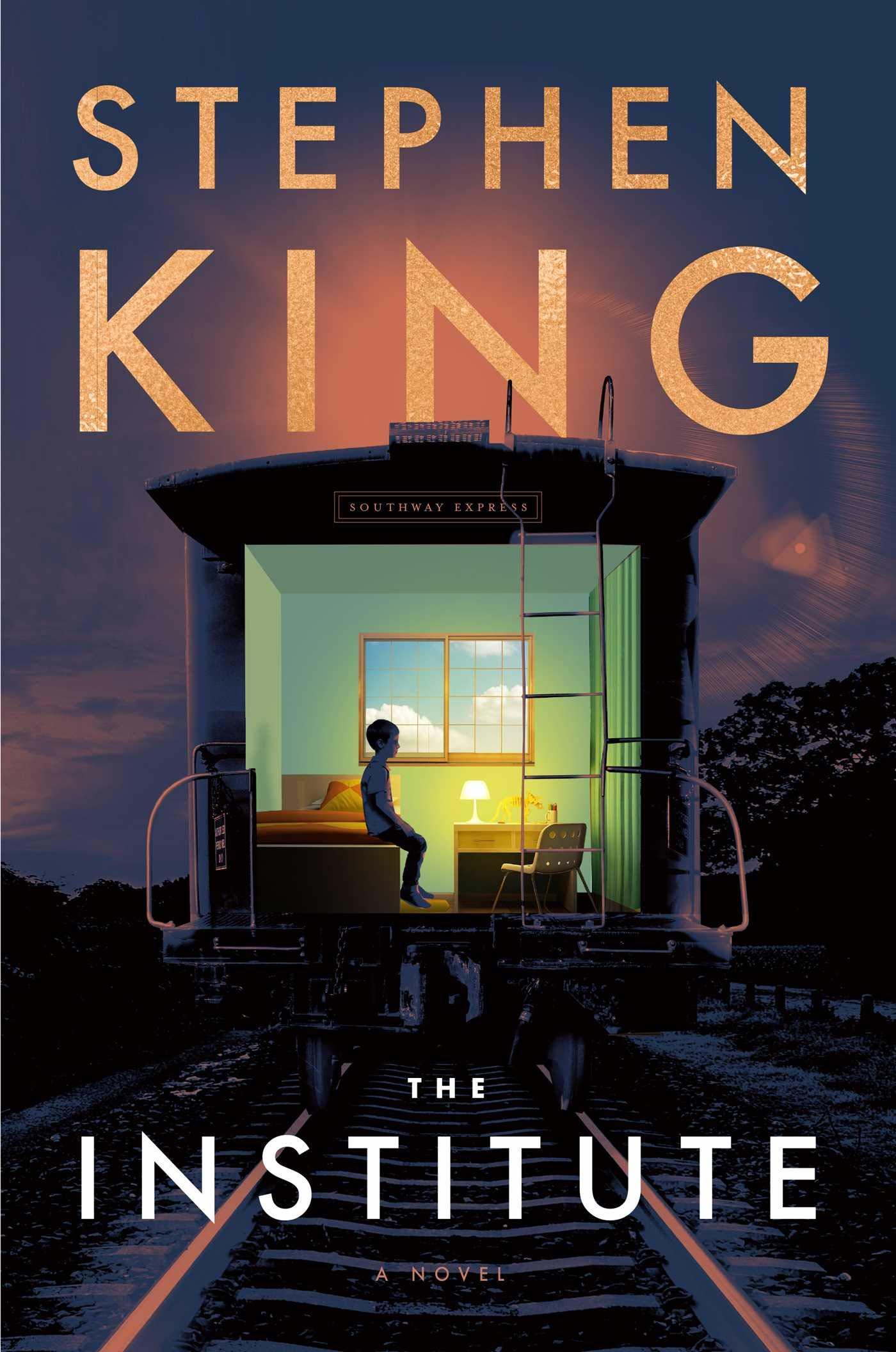
The institute is one of my favorite Stephan King books. The story brings you to a large facility where special kids are being held by the state. While the state experiments on them and keeps a very close watch, they try too find a way out.
Recommended for Stephan King and super power fans.
difficulty: 1 out of 5
Duma Key - Stephen King
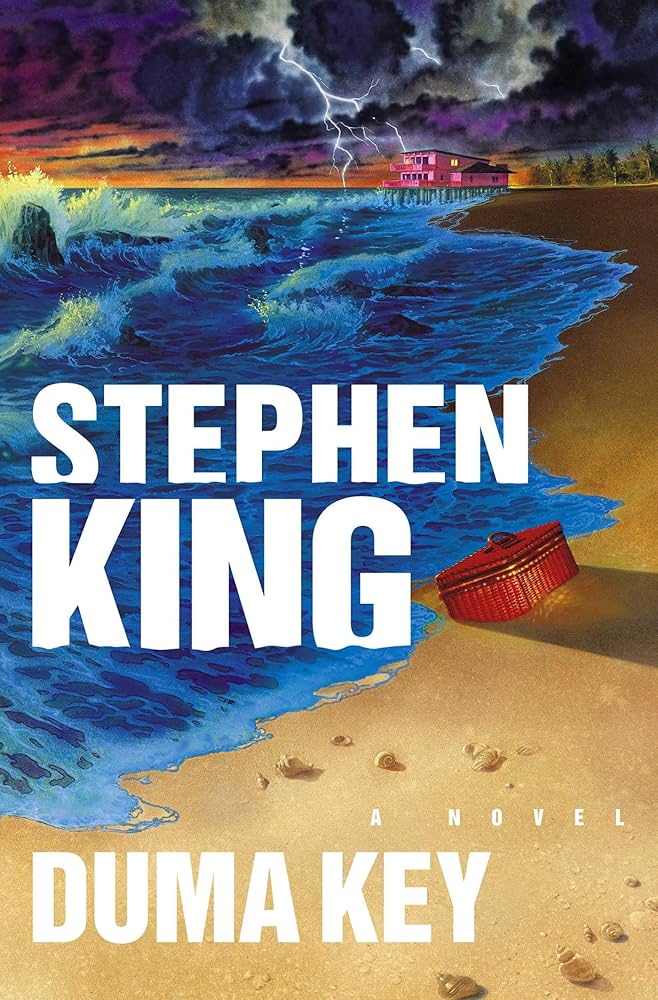
Duma Key is quite a large book from Stephan King. And I do think the large beginning before the main character goes too this island, could have been completely removed. But then things get interesting. The character (yeah I forgot his name) picks up painting which seems to do some very wild things. Too himself and the world.
Recommended for Stephan King and thriller fans.
difficulty: 2.5 out of 5. Cause it's a large book and boring large beginning.
The idiot Brain - Dean Burnett
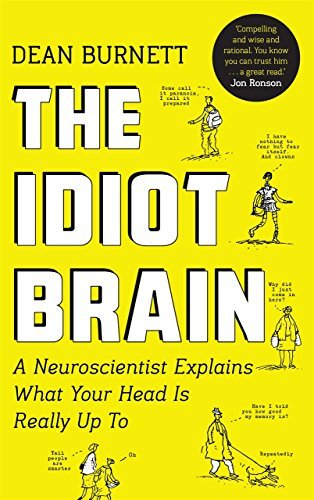
If you always want to read to learn but find it difficult this one might be for you. The idiot brain is funny and recognizable. From simple things like how we keep forgetting things when we enter another room too why people have memories of something that never happened. Dean Burnett really makes you think; 'hah, what an idiot brain'. I still think and talk with people about little snippets from this book years after reading it.
Recommended for people who love learning but find it difficult
difficulty: 2 out of 5
We are our brain - Dick Swaab
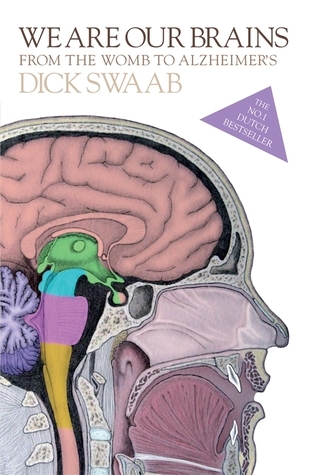
A Dutch physision and neurobiologists who was the director of the Netherlands institute for brain research till 2005. In this book he shares his knowledge of the brain. I have read this book ages ago but still remember it as one that helped me understand a huge amount about the brain. Deceases, memory, fear, music etcetera.
Recommended for people who would love to learn more about the brain
difficulty: 3 out of 5. It's quite a large book
Evil by Design - Chris Nodder
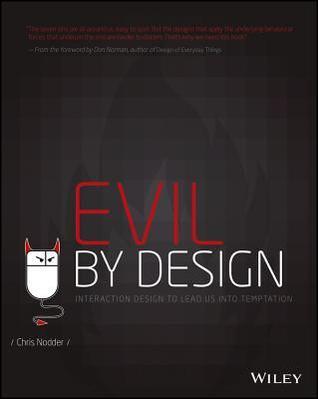
I had to get this book for my gamedesign degree at the University and I'm very happy they added this one. Evil by design goes through all the psychology big businesses use against you. You probably know some of them already, maybe even think you can withstand it. Well I would be laughing in your face if you told me you believe you can cause man oh man, what most know they do is just the tip of the iceberg.
Recommended for learning geeks like me, designers, psychology students, big business haters, basicly anyone
difficulty: 1 out of 5. Very fun writing style
Roald Dahl - Someone Like you (short stories)
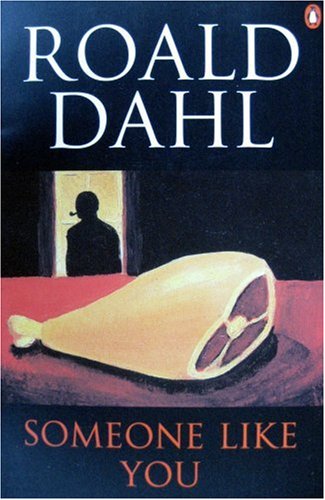
You probably know Roald Dahl from his children books. Well if you think those are already quite grotesque for children, wait until you find out about his short stories for adults. ´Someone like you´ is a small bundled book with some of these stories. Just like his unique children stories these are brilliant. Like a little peak into his mind. Most of these stories also have netflix short movies.
Recommended for people who love classics, Roald Dahl, And comedy with a thrill
difficulty: 1 out of 5.
Watership Down
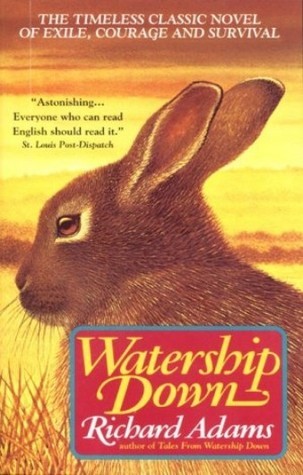
Watership down. One of those stories you´ve seen as a child and still remember how sad it really was. I watched the movie again when I was older and found it quite brilliant. The idea of how the bunnies might think if you could read their minds, how they act and most of all, how we are part of it. The roads, the farm, the bulldozers ruining their perfect little place.
Recommended for people who want to get back into the story or just love a classic
difficulty: 1 out of 5.
We are not numbers
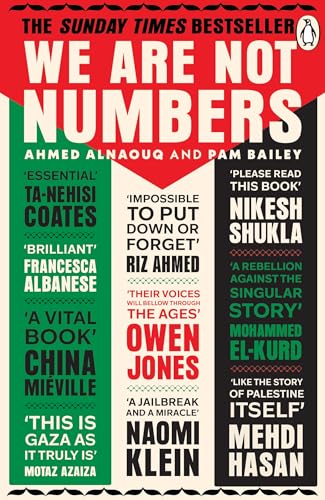
I thought this book would be kind of like a history book, but I should have interpreted the title more like it is. This book is a bunch of stories by Palestenian people about their life. I had trouble reading the book. I wanted to stop after just a few stories. But I felt like I owe them that much since we just live on and no one seems to really do anything about it. I'm happy I did cause now I do know a bit more. That they are stuck like in a prison with borders from Israel and Egypt closed and barely enough materials and food coming through. It felt for me like a war, without the war. They mostly fight back through education. Which I think is such a strong mindset! But ever since 2023 Israel became much more vicious. They bombed they universities, their hospitals, their homes, their bakers. Everything is gone now. I still remember the first messages on Tiktok from Palestinian people begging for help, food, water, anything. Now I understand why. It has been 3 years and Europe is still sending weapons too Israel. I can't believe we aren't fighting for them.
I wasn't sure if I would add this one too the cabinet since it is really sad but also the least we could do!
difficulty: 2 out of 5. Cause of the sadness.
I who have never known men
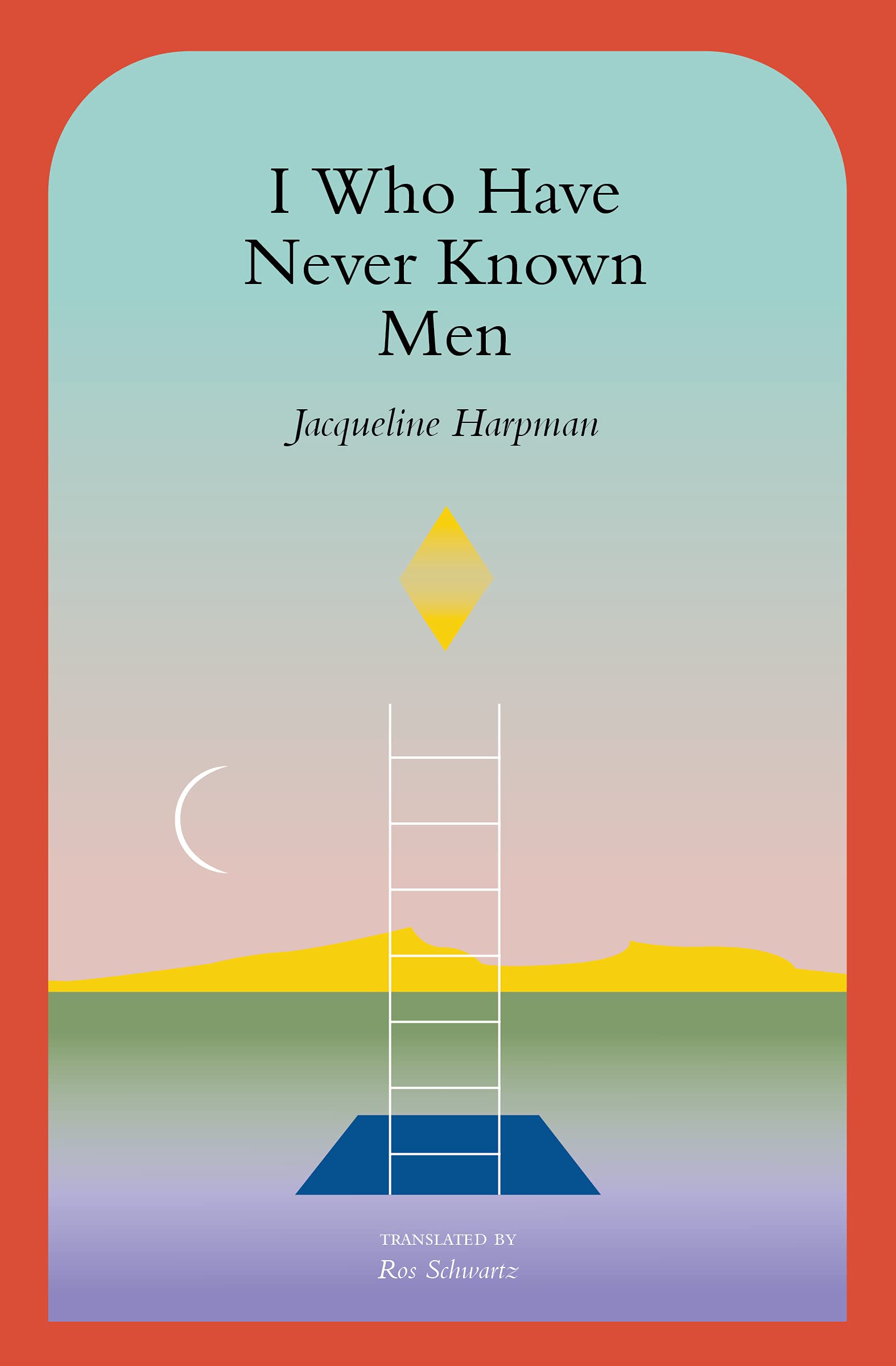
I sold this book shortly after reading it and regret it. It´s an odd story that keeps you intrequid all the time. You almost know nothing. Just like the main charakter. Without spoiling too much, you have never known, and will never know. That´s all I can say really.
Recommended for people who love a mistery and deep thoughts
difficulty: 1 out of 5.
We will not be saved
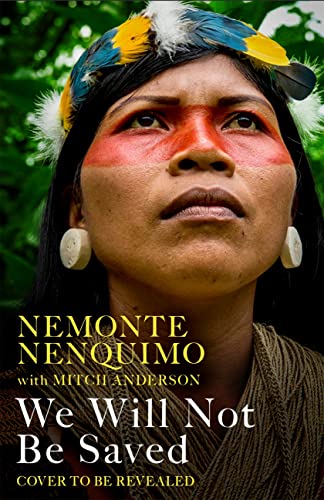
I couldn't stop reading this one. The first half of the book brings you straight into the jungle. Living like the indigenous girl she once was. This part really makes you love her world and learn about the little things in their life. The trees, the food, the medicine, the people. Then it gets kinda sad, and soon you'll find yourself in a war with oil industries. Sometimes I'm ashamed to be a white woman from a country that called the 17th century the golden age, enslaved people and became rich from their soil.
Recommended for people who want to learn more about indigenous people as well as some history of America and the oil industry
difficulty: 2 out of 5. Warning: contains rape

Monk and robot
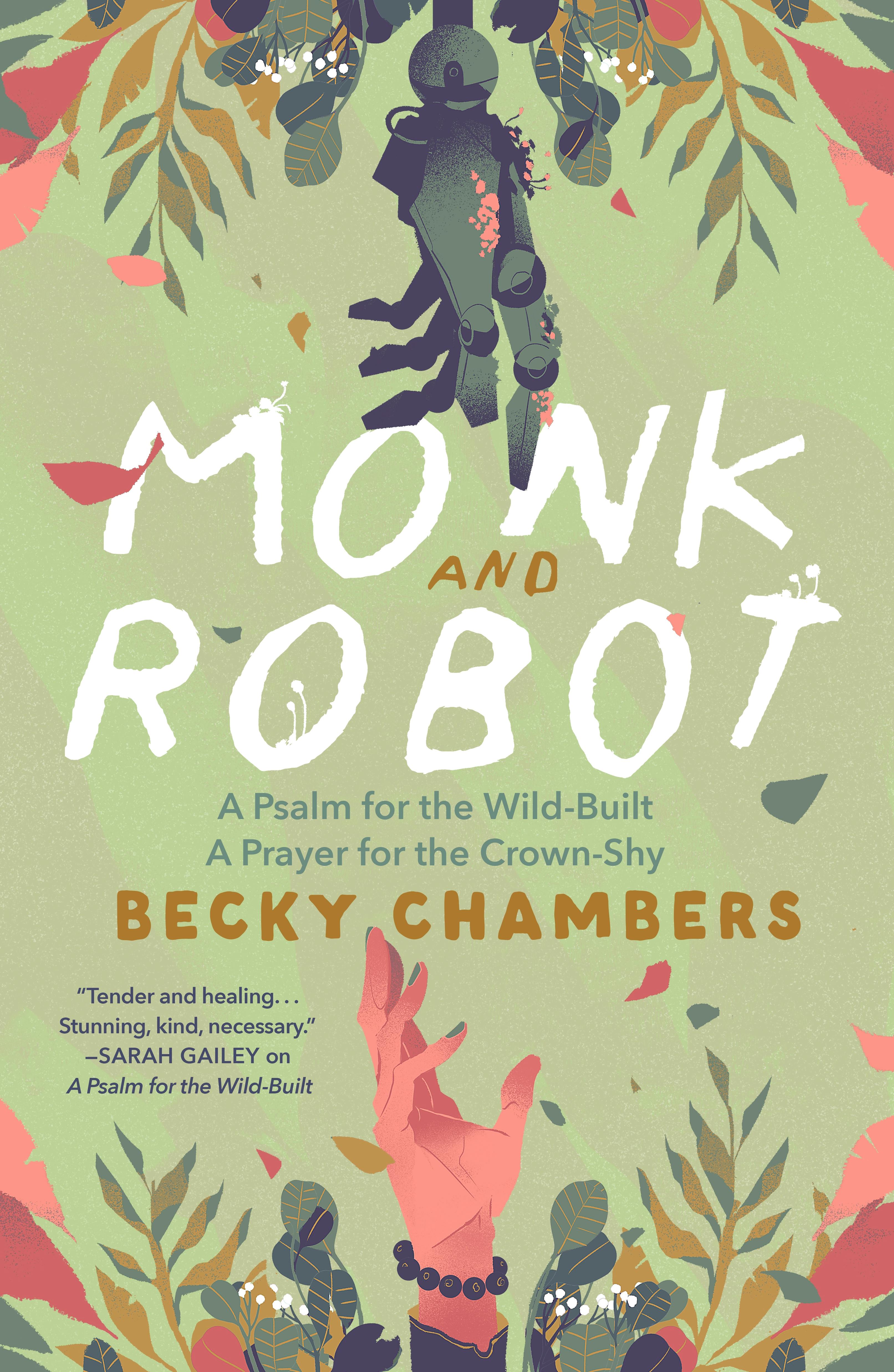
This was a recommendation from Digital Humus. It showed a futuristic world where we humans did the right thing. I loved all the details. From how everything got recycled and people said sorry too killing a mosquito. The whole culture was so different from what we live in right now. It felt peaceful. The book is also very philosophical. Asking ourselves questions like: Why use a methaphor like 'being a parasite or leech' when the leech is much more than what the methaphor entails. And also a question which I often ask myself. 'What is my purpose? And what should I be doing? Am I choosing the correct path? Or should I be choosing another?'. I felt heard and healing.
Recommended for people who want to read something fun but still feel like learning something
difficulty: 1 out of 5.
Currently Reading
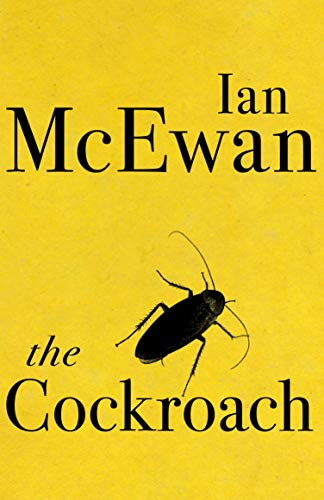
The cockroach
This might become one of the weirdest books I've read yet. I have no idea what to expect. Supposedly a human changes into a cockroach. That's all I know so far. I picked this one up, because of high recommendations. And it's a short story so why not.
Make ink
I'm reading and experimenting with this cool book. Making ink from scratch with all kinds of natural materials. Since I hate the idea of throwing all these chemical down the drain from normal paint we use. Why, when there is so much cool paint out there? Maybe I can even make pet-friendly painted borders and a chemical free stain for my furniture!
Just read:

The underworld
The book started very good, with a history about how the underworld story started and was discovered bit by bit together with what people thought it would look like. This gave me hope it was going to be much better than the previous book, Still water. But alas, very quickly the history chapters were over and it was a continious journey about the writer wanting to be part of it, mostly writing about the people that are a part of it. She told some names about creatures living there, together with amazing pictures of them, but almost no facts about these creatures. I guess the journey for learning more about water life continues for me.

Still Water
I'm not sure why, but I'm in love with water. Ponds, lakes, the sea. Place me on a tropical island and you'll find me diving in the water every single day. Such a bummer I'm the easily cold type. You would think I would be extremely happy living in the Netherlands then which is surrounded by water. But our water is barely swimmable. Beautiful see-through clear streams are about one handfull here. One reason being the huge amount of cattle farmers here. The other, we are the sewage of almost all other European nations. So staring into my own small pond in the yard is one of my happy moments. I love the tiny water skaters, the diving beetles, frogs staring back. I was hoping this book would tell me more about them. But alas. This book was a major bummer. Just another farmer talking about his love for shooting animals and fishing. Mentioning the pond by quoting other people's poems, writing again about the same bird just being there. Facts about the wildlife was a rarity. There was literally one page I liked about the whole book. Talking about the diving beetle, the lesser water boatman, that makes a record-breaking sound with his penis. Hah.
The light eaters
A very good book. Especially if you haven't read others like it before (which I have so I knew quite a lot of these details already). It really makes you look very different at plants after knowing all these details. They are just like animals and us. Just one we find very difficult to understand. It did repeat itself a bit with the way she wrote this book. The chapters of different aspects of plants scientist discovered, visiting those scientist and interviewing them, thinking what else they would be capable of, and over again in the next chapter. Became a bit boring after some time. But that probably also has to do with knowing things already from other similar books i've read, some in which she quoted from.
 Matilda
Very much so like the movie. One of my favorites. Though the whole, going too the house of miss Trunchbull wasn't part of the book and I think I like the movie version how Matilda found out who's home it really was better. Since I knew most of the story it made the book maybe not so interesting. Doesn't mean the book isn't any good though. I guess I would remove the murder part if I would ever read this too a child. And maybe the details of the chokey.